
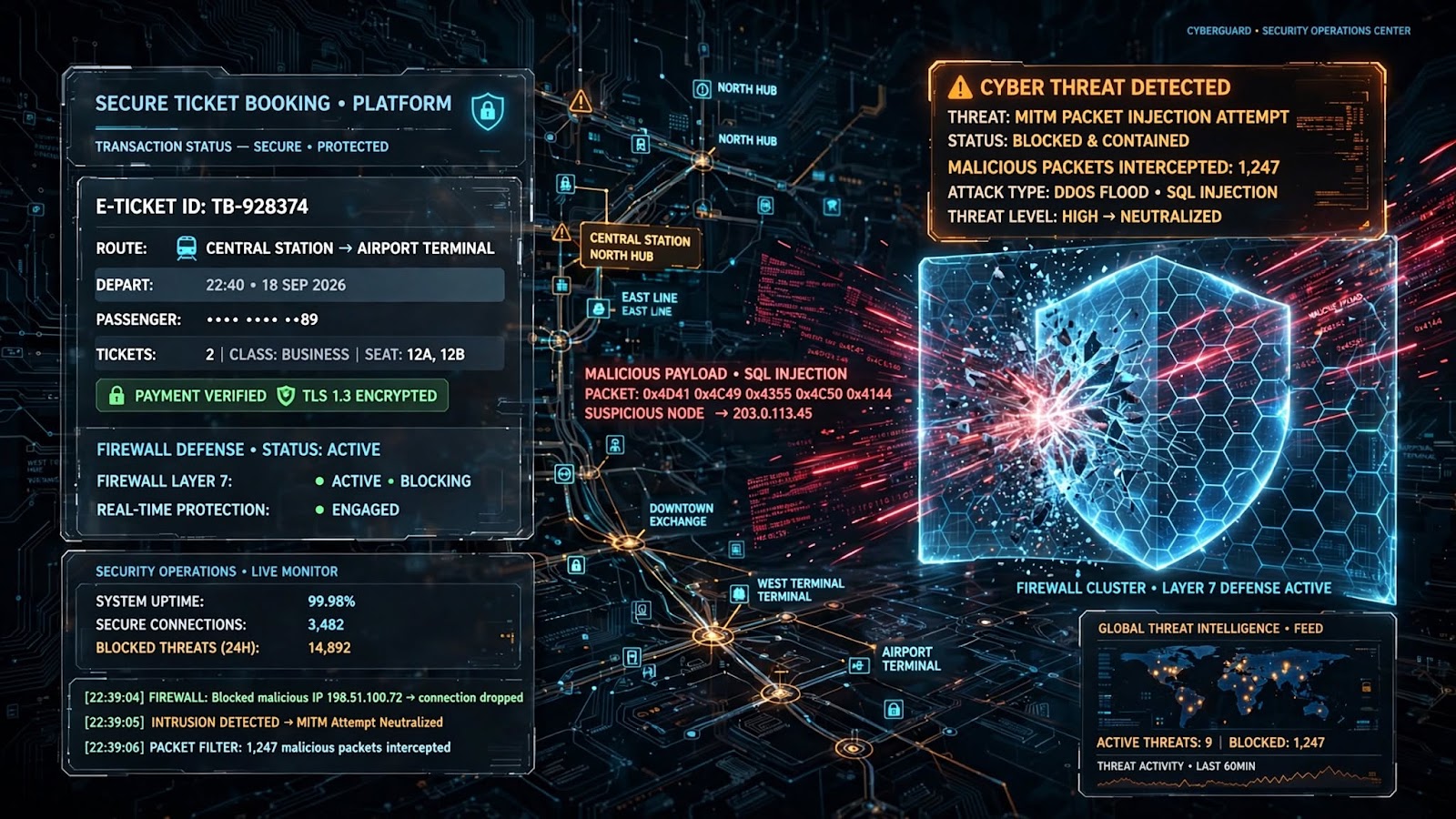
The passenger bus transport sector faced the inherent risks of digital security once again. Viação Águia Branca identified a cybersecurity incident focused on its official ticket sales web portals, with the potential compromise of data from 7,883 customers. This article examines the scope of the breach, the isolation of secure digital channels, and the institutional response based on data protection guidelines.
Accelerated digital transformation in the transport sector brought notable conveniences for ticket issuance, but it also expanded the attack surface for cybercrime syndicates seeking sensitive user data. Viação Águia Branca — one of the country's largest passenger transport companies — confirmed the occurrence of a cybersecurity incident restricted to its official ticket sales websites.
Although the modern technological ecosystem relies on advanced barriers, the intrusion highlights the chronic vulnerability of e-commerce platforms and consumer-facing transactional portals.
Part 1: The Scope of the Incident and Data Exposure
According to information released by the company, unauthorized access strictly affected the web sales environment, potentially impacting 7,883 customers:
- The Nature of Access: The incident focused on flaws or breaches exploited in the sales website environment, raising red flags about the integrity of associated forms and transactional databases.
- Proactive Notification: In compliance with transparency protocols required by privacy regulatory frameworks, the company directly notified all potentially affected individuals, providing individualized guidance on security measures to be taken.
- The Seasonality of Attacks: The incident with Águia Branca joins a recent series of high-profile episodes involving data leaks and intrusions in service and mass transit companies, demonstrating that cybercrime is aggressively targeting the logistics and ticketing chain.
Part 2: System Isolation and Preservation of Secure Channels
One of the crucial aspects of cybersecurity crisis management is the ability to compartmentalize infrastructure to contain systemic damage. In Águia Branca's case, the multi-channel architecture prevented a widespread operational collapse:
- Channels Preserved Intact: The company emphasized that the incident did not affect all of its digital touchpoints. The following remained completely isolated and secure:
- Águia Branca's official mobile application;
- The customer service and ticketing messaging platform (Zap Passagens);
- Previously purchased and issued tickets;
- Data history regarding booked and ongoing trips.
- Rapid Containment: Surgical isolation of the affected web segment allowed bus transport operations to continue without logistical disruptions, safeguarding boarding flows and the passenger experience at terminals.
Part 3: Data Governance and Resilience in the Mobility Sector
Episodes like this demonstrate that information security is not just an IT layer, but the core pillar of corporate reputation and legal compliance under the LGPD (General Data Protection Law):
- Continuous Improvement: In its official statement, company management highlighted that it has been investing in the constant evolution of its data governance and infrastructure hardening to prevent the recurrence of similar breaches.
- Consumer Guidance: Security experts recommend that affected customers immediately change login credentials, monitor atypical bank account activity, and ignore phishing attempts using leaked data as a pretext for secondary fraud.
Conclusion
The incident at Viação Águia Branca serves as a stern reminder to the Brazilian corporate ecosystem: e-commerce portals and transaction pages are high-priority targets for malicious actors. Swift response, transparent communication with data subjects, and efficient isolation of secondary platforms demonstrate that damage mitigation depends as much on resilient architectures as on structured incident response protocols.
Sources and References:
- Cybersecurity Coverage and News — Ciber Seg / Folha Vitória / Diário do Transporte.
- Incident Reports and Regulatory Compliance in the Passenger Transport Sector.